

Whole-Home Renovation vs. Room-by-Room Remodeling: Which Is Right for Your Lehigh Valley Home?
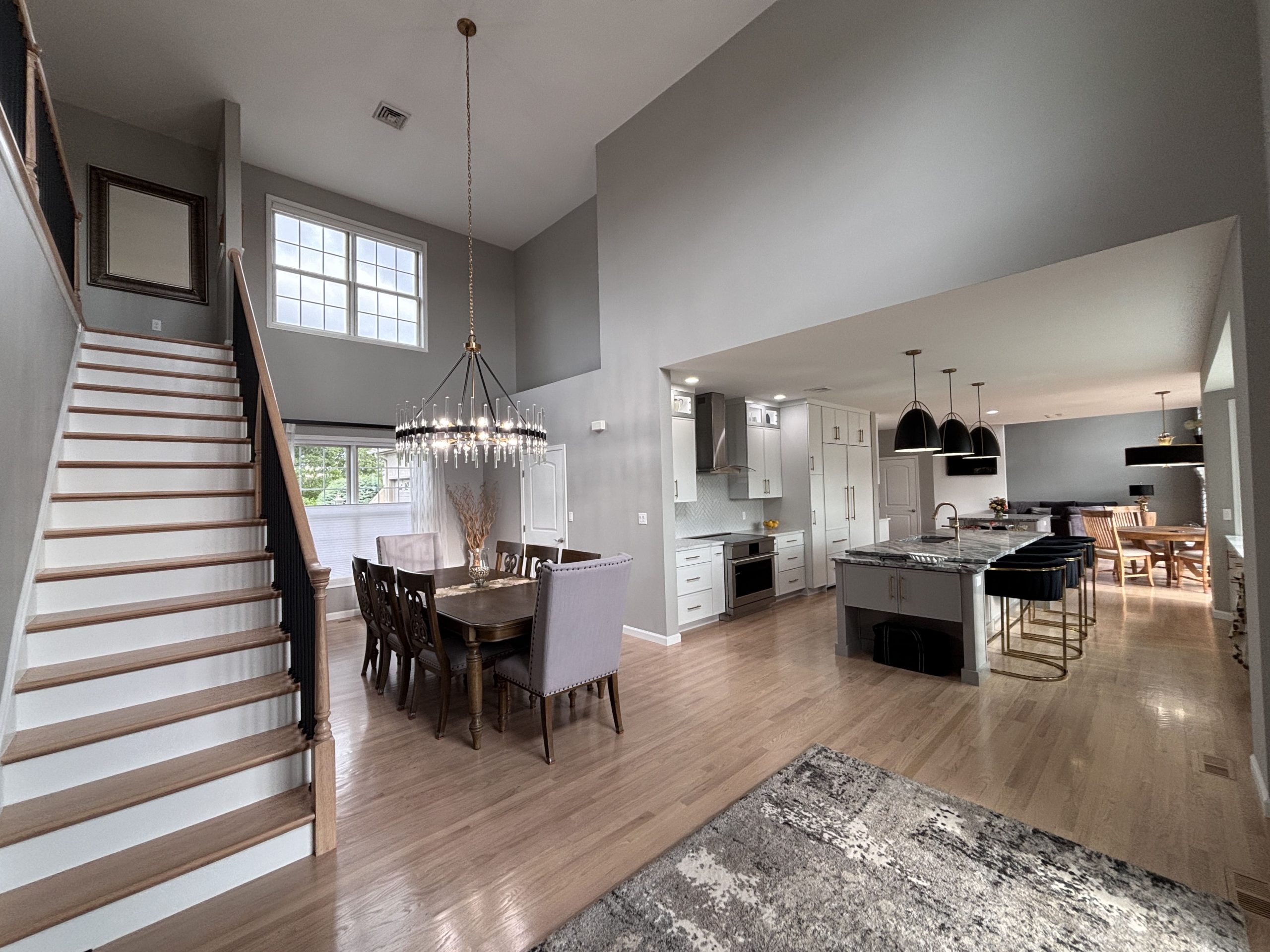
The Custom Home Building Process in the Greater Lehigh Valley: From Lot to Move-In Spectrum Homes & Remodeling brings exceptional attention to detail, top quality features, and professional resources to every project across the Lehigh Valley. When updating your living space, choosing between a full home overhaul and a phased, room-by-room approach is a major decision. Each strategy presents distinct benefits depending on your schedule, finances, and lifestyle. Quick Verdict: Whole Home Renovation vs. Room-by-Room in the Lehigh Valley If you want a unified design, faster overall completion, and lower cost per room, a whole home renovation is your best path. This approach requires a larger upfront investment and temporary relocation, but it resolves all structural and design updates in one seamless project. If you prefer flexible cash flow and staying in your home during construction, room-by-room remodeling is ideal. While total costs can be higher over time, this method lets you address your most pressing space needs on your own schedule. Understanding Your Options: Complete Home Renovation vs. Phased Remodeling A whole home renovation involves updating multiple spaces or gutting the home simultaneously. This includes structural modifications like creating an open-concept floor plan, adding sunrooms or additions, and updating bedroom suites or finished basements all in one phase. Room-by-room remodeling, on the other hand, takes a phased approach. You can focus on individual priorities, like updating kitchens and baths, building outdoor living spaces, or reorganizing closets over the span of several months or years. Cost Comparison, Timeline, and Cohesion: How the Two Approaches Compare Evaluating these key factors will help clarify which method suits your household: Cost: A complete home renovation requires a larger initial budget, but it lowers the total cost per room by streamlining labor and materials. A room-by-room approach allows you to pay as you go, fitting smaller projects into your budget as funds become available. Timeline and Disruption: Renovating everything at once concentrates all disruption into a shorter total window. However, you will likely need to relocate temporarily. Phased remodeling lets you stay in your home, but construction extends over a longer period. Design Cohesion: Tackling the entire house together ensures a unified style, integrated materials, and consistent flow across every room. Remodeling one space at a time carries a risk of style drift as design trends change between projects. Which Remodeling Approach Is Right for Your Home? Spectrum Homes’ customer-centric approach focuses on your family. We work with you to clearly define your goals at the start, ensuring a consistent, successful, and on-time experience with realistic estimates and name-brand products. Choosing the right strategy comes down to your personal priorities and living situation. When Whole-Home Renovation Wins A whole-home renovation is the best choice if you are purchasing a fixer-upper or an older home in the Lehigh Valley. It is ideal when you prefer to get all construction finished in one concentrated timeframe and want a fully cohesive design with open-concept living. When Room-by-Room Remodeling Wins Room-by-room remodeling is ideal if you want to pay for updates gradually over time, remain in your home during construction, or only need to address specific spaces like a kitchen, bathroom, or basement. Transform Your Home with Spectrum Homes Whether you are planning a full home modernization or updating a single room, Spectrum Homes is here to guide you through every step of the process. From the initial design to the final finishing touches, our dedicated team ensures your project is completed with unmatched craftsmanship, total clarity, and exceptional service. Call now to discuss your vision and discover what is possible for your property.